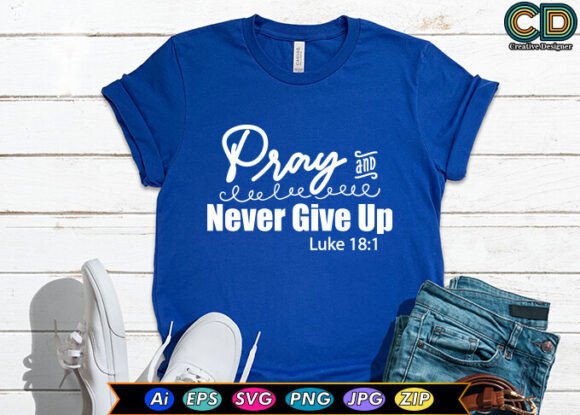
Pray and Never Give Up Graphics for Crafts and Editorial Use
In the world of digital publishing, visual communication is not merely decorative; it is functional. As a blog designer and publisher who has spent years optimizing content for readability, engagement, and conversion, I approach every new graphic design asset with a critical eye. We are looking for more than just aesthetics—we need tools that enhance editorial quality, support brand identity, and drive user trust. Recently, I evaluated a design titled "Pray and Never Give Up" from the Crafts and Graphics category to determine its viability for real-world website presentation, editorial layouts, and content marketing strategies.
This review focuses on how this specific design fits into a professional publishing workflow. Whether you are managing an affiliate blog, creating digital guides, or designing newsletter headers, understanding the nuance of your visual assets is crucial. Here is my analysis of "Pray and Never Give Up" as a resource for serious content creators.
First Impressions: Mood and Editorial Fit
The phrase "Pray and Never Give Up" carries inherent emotional weight. It suggests resilience, faith, and perseverance. When I first opened the files, the immediate impression was one of clean, modern inspiration. The design does not feel cluttered or overly decorative in a way that distracts from the message. Instead, it leans toward a minimalist yet bold aesthetic that works well in lifestyle, wellness, and faith-based niches.
For publishers, the mood matters. A graphic that feels too playful might undermine a serious article about mental health or spiritual growth. Conversely, a design that is too stark might fail to engage readers looking for comfort. This asset strikes a balance. It feels professional enough for a polished website but warm enough for personal blogs. It supports content that needs to look trustworthy and clickable without screaming for attention. In terms of visual hierarchy, the text is the clear hero, which is essential for social media graphics and Pinterest pins where readability at small sizes is paramount.
Real-World Publishing Applications
A versatile design asset must perform across multiple touchpoints. Based on the file formats provided—specifically the inclusion of editable AI, SVG, EPS, and high-quality JPG files—this asset offers significant flexibility for different use cases. Here is how I see it integrating into a typical content publishing workflow:
- Blog Featured Images: The high-resolution JPG ensures crisp display on desktop feeds. The editable vector files allow you to adjust colors to match your site’s specific color palette, ensuring consistency with your brand identity.
- Pinterest Pins: Pinterest is a visual search engine. This design’s strong typography makes it ideal for vertical pin formats. You can overlay additional text for headlines while keeping the core design intact, improving click-through potential.
- Newsletter Graphics: Email open rates depend heavily on preview text and imagery. Using this as a header or accent image in your weekly digest adds a touch of elegance and reinforces the theme of your email series.
- Digital Products and Lead Magnets: If you are selling or giving away a digital guide, worksheet, or eBook cover, this design serves as a powerful focal point. It signals value and thoughtfulness to the subscriber.
- Social Media Content: For Instagram posts or Facebook shares, the transparent PNG (implied by the transparency feature) allows for easy layering over background images, creating a cohesive social media graphics strategy.
Impact on Content Performance
Why does this matter for your bottom line? Because design influences perception. When a reader lands on your site, they form an opinion within seconds. A polished, professional-looking design like "Pray and Never Give Up" contributes to a stronger first impression. It tells the visitor that you care about quality, which translates to higher reader trust.
Furthermore, consistent use of high-quality design assets improves category recognition. If you consistently use similar visual styles for your inspirational content, readers will instantly identify your posts in their feed. This strengthens your visual identity and makes your content more memorable. In the context of affiliate marketing, where trust is currency, having visuals that look intentional and professional can subtly increase the likelihood of a user clicking through to recommended products or resources.
Where It Works Best
This design excels in environments where clarity and emotion intersect. It is perfect for:
- Hero Images: Large banners that set the tone for a landing page or homepage section.
- Article Thumbnails: Grid views on blog homepages benefit from the clean lines and legible text.
- Editorial Accents: Small graphical elements used to break up long-form text in articles.
- Content Upgrades: Visuals attached to downloadable resources that add perceived value.
Areas Requiring Caution
No single asset is perfect for every scenario. There are contexts where "Pray and Never Give Up" might not be the optimal choice:
- Small Mobile Thumbnails: While the text is bold, extremely small displays may lose detail. Always test how it renders on mobile devices before finalizing your layout.
- Busy Layouts: If your website already has heavy patterns or complex backgrounds, this design might compete for attention rather than complement it. It works best on clean, solid, or softly textured backgrounds.
- Corporate Niches: For strictly corporate, B2B, or technical content, the inspirational nature of the text might feel out of place. It is better suited for lifestyle, creative, or community-focused brands.
- Low-Contrast Backgrounds: Ensure there is sufficient contrast between the text and any background you pair it with to maintain accessibility standards.
Practical Publisher Notes for Implementation
To get the most out of this creative design, follow these practical steps during your implementation process:
Test Across Devices: View the design on both desktop and mobile screens. Check how it looks as a thumbnail in your RSS feed and as a full-size image in an article body.
Typography Pairing: Experiment with pairing this design with different font styles. Try it beside a serif font for a classic editorial look, a sans-serif font for modern minimalism, or a script/handwritten font if you are adding personal notes. Avoid clashing with display fonts that compete for dominance.
Check Contrast and Readability: Preview the design against various background colors. Test it in black and white to ensure the structure holds up without color cues. This is crucial for accessibility and for users viewing content on older monitors or in bright sunlight.
Optimize File Size: Web performance is a ranking factor. Even though you receive high-quality files, compress your JPGs using tools like TinyPNG before uploading them to your CMS. Keep SVGs lightweight to ensure fast load times.
Verify Licensing: Before using this asset on monetized websites, affiliate pages, or paid content products, confirm the commercial license terms. Ensure you have the right to use the design for commercial design purposes, especially if you are selling physical or digital goods featuring this artwork.
Final Verdict for Digital Publishers
"Pray and Never Give Up" is more than just a pretty picture; it is a functional tool for enhancing the emotional resonance of your content. Its versatility across formats—from editable vectors to ready-to-use JPEGs—makes it a valuable addition to any publisher’s toolkit. By integrating this asset strategically into your content marketing efforts, you can elevate your website header designs, improve your Pinterest pin performance, and create a more cohesive small business branding experience.
For bloggers, designers, and entrepreneurs looking to add a touch of inspiration and professionalism to their digital presence, this design asset delivers on both aesthetic appeal and practical utility. It supports a workflow that values clarity, trust, and visual excellence, making it a smart choice for serious content creators.