Lucky Since March 1979 Embroidery Review
As a designer who spends more time staring at stitch density charts and fabric swatches than sleeping, I have developed a healthy skepticism toward digital graphics marketed as "ready-to-stitch." Too often, what looks like a clean vector on a screen turns into a tangled mess of thread when it hits the hoop. That is why I approach every new asset with a critical eye, looking for that elusive balance between aesthetic charm and technical feasibility. Recently, I pulled Lucky Since March 1979 from my library to test its viability for real-world application. This isn't just another generic date stamp; it carries a specific narrative weight that resonates deeply with personalization trends in the handmade market.
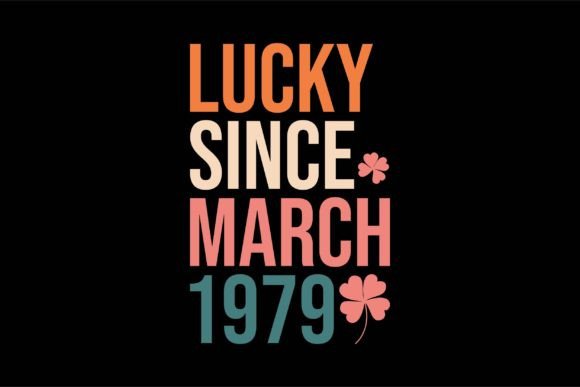
The first impression of Lucky Since March 1979 is one of understated warmth. The design leans heavily into typography-driven aesthetics, which is a smart move for embroidery. Unlike complex pictorial designs that can lose definition on textured fabrics, this piece relies on clear letterforms and layout. It feels nostalgic yet timeless, evoking the feeling of a vintage band tee or a classic milestone celebration. For an embroiderer, typography is both a friend and a foe. It requires precision. When I first loaded the file, my immediate thought was about how the kerning would hold up during the stitching process. Fortunately, the spacing feels generous enough to prevent thread breaks but tight enough to maintain a cohesive visual block.
Real-World Application: From Screen to Stitch
I decided to put Lucky Since March 1979 through its paces by simulating a common client request: a custom baby gift set. The target demographic here is parents celebrating a birth in March 1979, or perhaps grandparents marking their own legacy. I imagined this design on a soft cotton muslin onesie or a heavyweight hooded towel. The mood of the design fits perfectly with nursery decor and early childhood milestones. It suggests a story, which is exactly what buyers are looking for when they purchase personalized items on platforms like Etsy or at local craft fairs.
In this scenario, the design acts as the centerpiece of a personalized gift. Because the text is the primary focus, it allows for creative flexibility in execution. I considered using a satin stitch for the main letters to give them a raised, tactile quality that invites touch—a crucial element for baby products. Alternatively, using a fill stitch could provide a softer, more modern look. The versatility of Lucky Since March 1979 means it can adapt to different brand voices, whether you are running a boutique specializing in heirloom-quality linens or a quick-turnaround shop selling festival merch.
Beyond baby items, this design has strong potential in the realm of custom apparel. Imagine it embroidered on the chest of a unisex t-shirt or the pocket of a denim jacket. The phrase "Lucky Since..." implies good fortune, making it a fantastic motif for graduation gifts, retirement parties, or even birthday celebrations for those turning 45. It transforms a standard garment into a keepsake. For Etsy sellers, this kind of evergreen theme is gold because it appeals to a wide range of occasions without feeling dated. It is not tied to a fleeting trend; it is anchored in personal history.
Technical Considerations and Fabric Interactions
While the aesthetic appeal is high, any experienced designer knows that the devil is in the details. When evaluating Lucky Since March 1979 for production, several technical factors come into play. First, we must discuss stitch density. If the design contains large areas of solid fill, it may become too stiff for lightweight fabrics. For a delicate item like a tea towel or a sheer curtain, excessive density can cause puckering. However, if used on sturdier materials like canvas tote bags or heavy sweatshirts, the structure holds up beautifully. I recommend checking the digitization to ensure that the thread count does not overwhelm the base material.
Fabric texture also plays a significant role. On a smooth cotton jersey, the edges of the satin stitches will appear crisp and professional. But on a bouclé wool or a nubby linen, some of the finer details might get lost. In such cases, simplifying the design or increasing the size slightly can help. Additionally, color contrast is paramount. The design likely relies on a single or dual-color scheme. If you are stitching light thread on dark fabric, you need to ensure the underlay stitches are sufficient to make the top thread pop. Conversely, white thread on white fabric will disappear entirely unless you use a contrasting stabilizer or a subtle tonal thread.
Another critical aspect is the hoop size. While the exact dimensions depend on the specific file version, most text-based designs of this nature fit comfortably within standard 4x4 or 5x7 hoops. This makes it accessible for home embroiderers who may not have access to large multi-head commercial machines. The compact nature of the design also means less setup time and lower thread consumption, which translates to higher profit margins for small business owners.
Where to Exercise Caution
There are certain contexts where Lucky Since March 1979 might not perform optimally. Avoid using this design on highly stretchy spandex blends without a proper tear-away stabilizer, as the tension can distort the lettering. Similarly, on curved surfaces like baseball caps, the flat layout of the text might not follow the crown's contour naturally, potentially leading to gaps or bunching at the edges. If you are attempting to stitch this onto a tiny accessory, such as a keychain or a small patch, be wary of the smallest serifs or decorative elements. They may not render clearly if the overall scale is too small.
Furthermore, consider the end-use of the product. If the item is destined for frequent industrial washing, such as a restaurant apron or a gym bag, the longevity of the embroidery matters. Satin stitches can fray over time if not trimmed correctly after hooping. Ensuring that the design has adequate trim paths and that the user follows best practices for finishing will preserve the integrity of the finished product.
Strategic Value for Creators
From a business perspective, adding Lucky Since March 1979 to your inventory offers distinct advantages. It taps into the growing demand for handmade products that tell a personal story. Customers are increasingly willing to pay a premium for items that feel bespoke and meaningful. By offering variations of this design—perhaps changing the year or the month—you create a scalable template that serves multiple clients without requiring extensive redesign work.
This approach is particularly effective for commercial embroidery projects where volume is key. A designer can quickly swap out the date while keeping the font and layout consistent, ensuring brand consistency across a line of merchandise. Whether you are creating a collection of anniversary gifts or a series of commemorative patches for a club, the reliability of this design makes it a valuable asset. It reduces the risk of customer dissatisfaction caused by poor print quality, as the simplicity of the design minimizes points of failure.
Practical Designer Notes
Before committing to mass production or listing this as a digital download, I strongly advise testing the design on scrap fabric first. Use the same thread colors and fabric type you plan to sell. Check the thread colors against your actual inventory to ensure accuracy. Review the stitch density closely to see if any areas need adjustment for better flow. Inspect the small details, especially around the numbers, to ensure they are legible. Testing in black and white mockups can also help you evaluate the contrast and balance of the design independent of color distractions.
Always confirm the licensing terms before selling finished items. While the file provides AI and EPS formats for graphic design purposes, embroidery usage rights can vary. Ensure you have permission to produce and sell physical goods made from this design. This protects your reputation and avoids legal pitfalls. Finally, compare light and dark fabric backgrounds to see how the design adapts. Sometimes, a slight tweak in thread choice can make all the difference in the final presentation.
In conclusion, Lucky Since March 1979 is a robust, versatile design that bridges the gap between artistic expression and technical practicality. It is well-suited for tote bag design, sweatshirt embroidery, and various holiday embroidery projects. Its ability to evoke emotion while remaining structurally sound makes it a standout choice for designers who value both beauty and function. By approaching it with careful planning and realistic expectations, you can turn this simple graphic into a cherished component of your creative portfolio.